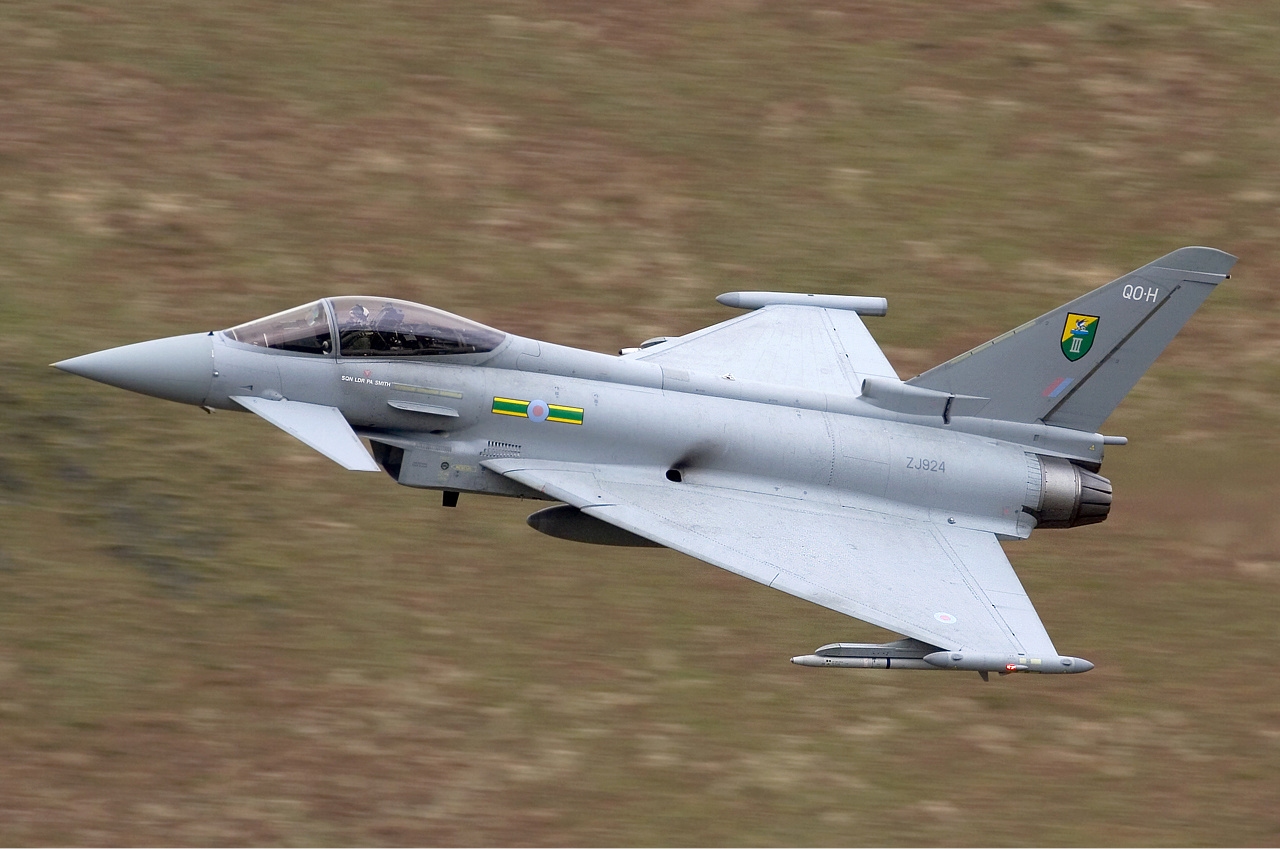
UK Reinforces Qatar Air Defence: More Typhoon Jets Deployed Amid Rising Iran Concerns
In a move signaling heightened vigilance and a steadfast commitment to regional security, the United Kingdom has announced the deployment of an additional four Typhoon fighter jets to Qatar. This strategic reinforcement comes amidst escalating tensions in the Middle East, with particular focus on concerns related to Iran's actions and ambitions. The decision underscores the UK's delicate balance between diplomatic efforts and a robust military presence, aimed at protecting its interests, personnel, and allies in a volatile geopolitical landscape.
The announcement, made by Prime Minister Sir Keir Starmer, highlights the government's focus on providing "calm, level-headed leadership in the national interest." This leadership, according to Starmer, necessitates deploying both military and diplomatic strength. The additional uk fighter jets qatar will bolster the existing joint UK-Qatar Typhoon Squadron, strengthening air defence capabilities at a critical juncture for the region.
Britain's Dual Approach: Diplomacy and Deterrence in a Volatile Region
The UK's strategy in the Middle East is characterized by a nuanced dual approach: an unwavering commitment to diplomatic solutions coupled with a readiness to deploy military might for deterrence and defence. Sir Keir Starmer has publicly stated his belief that "the best way forward for all parties was a negotiated settlement with Iran where they give up their nuclear ambitions." This stance was further demonstrated by the UK's deliberate decision not to join the initial strikes against Iran, a move Starmer affirmed as being "in the national interest."
However, this diplomatic focus does not preclude a strong defensive posture. The deployment of more Typhoon jets to Qatar is a clear signal that the UK is prepared to act decisively to safeguard its assets and allies. Qatar, a crucial partner in the region, hosts a significant British military presence, and enhancing its air defence capabilities directly contributes to the security of British forces stationed there, as well as broader regional stability. The presence of advanced air assets like the Typhoon jets serves as a powerful deterrent, signaling that any aggression against British interests or those of its allies will be met with a capable and swift response. This dual strategy seeks to de-escalate through dialogue while maintaining the capacity to protect against immediate threats, ensuring the UK can "maintain this shield over British people in the region and our allies."
The Evolving Threat: Drone Warfare and Air Defence Challenges
The contemporary security landscape in the Middle East is increasingly defined by the proliferation and sophisticated use of uncrewed aerial vehicles (UAVs), commonly known as drones. These relatively inexpensive yet potent weapons pose a significant challenge to traditional air defence systems, often operated by non-state actors or proxies. A recent, stark reminder of this evolving threat came with the drone attack on RAF Akrotiri in Cyprus. A hangar at the British base was reportedly hit by an Iranian-made Shahed drone, launched from Beirut, Lebanon, according to Cypriot officials. This incident highlighted the vulnerability of even well-protected military installations and the reach of these new forms of aerial aggression.
In response to such incidents, the UK has been quick to reinforce its defensive measures. British warplanes operating from Akrotiri successfully intercepted and shot down two other drones detected on the same day, demonstrating the immediate operational readiness of UK forces. Furthermore, Defence Secretary John Healey engaged with his Cypriot counterpart, Vasilis Palmas, to discuss strengthening air defences, addressing earlier criticisms from Cyprus regarding the perceived inadequacy of UK military assets. Beyond the Typhoon deployments, the UK has also dispatched F35 jets to defend allies and is sending the air defence destroyer HMS Dragon, a formidable Type 45 warship, to the region, along with Wildcat helicopters equipped with anti-drone capabilities. These multi-layered deployments illustrate the complex and comprehensive approach required to counter modern drone threats effectively. For more details on recent incidents, readers can refer to UK Typhoon Jet Downs Iranian Drone Near Qatar Border.
Bolstering Regional Security: The UK-Qatar Alliance and Future Outlook
The decision to send more uk fighter jets qatar underscores the strategic importance of the UK-Qatar alliance and the critical role Qatar plays in regional security. The joint UK-Qatar Typhoon Squadron is a testament to this deep partnership, fostering interoperability and shared defence capabilities. This squadron not only enhances Qatar's sovereign air defence but also provides a forward-operating base for the UK to project air power and protect its wider interests across the Middle East.
A recent incident further cemented the urgency of these deployments: a Royal Air Force Typhoon operating from Qatar, as part of this joint squadron, successfully intercepted and shot down an Iranian drone heading towards Qatari territory. This event, believed to be the first drone shot down by a UK fighter jet since recent US and Israeli strikes on Iran, demonstrated the operational effectiveness of the deployed Typhoons and the necessity of maintaining a robust aerial shield. The Ministry of Defence affirmed that the action "ensured the security of Qatar's airspace and British interests in the region."
Looking ahead, the ongoing reinforcement of air defences, both in Qatar and Cyprus, signifies the UK's long-term commitment to stability and deterrence in a region prone to rapid escalation. The continuous deployment of assets like the Typhoon, F35, HMS Dragon, and Wildcat helicopters is not merely reactive; it's a proactive strategy to maintain a credible deterrent against aggression and safeguard vital shipping lanes, energy supplies, and international security. Collaboration with allies like Qatar is paramount, and these deployments serve to strengthen those bonds, ensuring a collective security response to evolving threats. To understand the broader context of these defence enhancements, explore UK Reinforces Qatar Air Defense Against Rising Drone Threats.
The additional uk fighter jets qatar are more than just military hardware; they are symbols of the UK's unwavering resolve to protect its national interest, support its allies, and advocate for peace through strength in one of the world's most complex regions. While the call for a negotiated settlement with Iran remains central to the UK's diplomatic efforts, the tangible presence of advanced military capabilities provides the necessary leverage and protection to navigate these turbulent times.