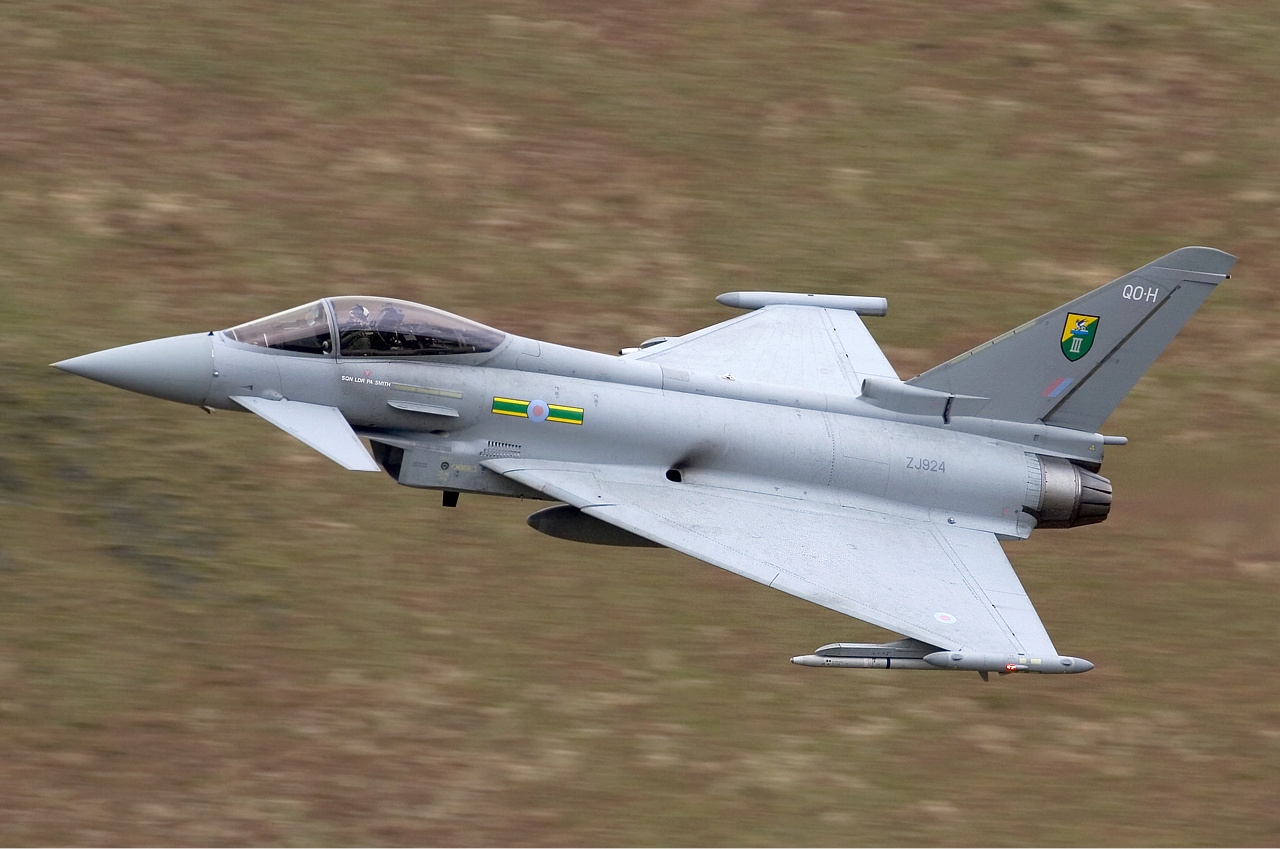
UK Typhoon Jet Downs Iranian Drone Near Qatar Border: A Decisive Act of Air Defence
In a significant demonstration of airborne security, a Royal Air Force (RAF) Typhoon fighter jet, operating as part of the joint UK-Qatar Typhoon Squadron, successfully intercepted and shot down an Iranian drone on March 1, 2026. This pivotal event, which saw the drone heading directly towards Qatari territory, marks a crucial moment in the ongoing efforts to maintain stability and protect allied interests in the volatile Middle East. The incident underscores the vital role of uk fighter jets qatar-based operations play in regional defence, reaffirming the UK's commitment to safeguarding its partners and strategic assets.
The successful interception, believed to be the first of its kind by a UK fighter jet since recent escalations in the region, highlights the advanced capabilities of the Typhoon aircraft and the readiness of British forces. As tensions continue to simmer across the Middle East, the presence and operational effectiveness of these highly capable jets are more critical than ever.
A Critical Interception: UK Fighter Jets Safeguard Qatari Airspace
The details surrounding the drone incident paint a clear picture of swift and decisive action. On the morning of March 1, 2026, an RAF Typhoon, engaged in a routine defensive air patrol over the region, detected an inbound Iranian drone. Utilising an air-to-air missile, the Typhoon successfully neutralised the threat, preventing it from entering Qatari airspace.
The Anatomy of the Downing:
- Date of Incident: March 1, 2026.
- Aircraft Involved: A Royal Air Force Typhoon from the joint UK-Qatar Typhoon Squadron.
- Target: An Iranian drone identified as heading towards Qatari territory.
- Method: An air-to-air missile was deployed during a defensive air patrol.
- Outcome: Successful shootdown, ensuring the security of Qatar's airspace and British interests.
This action was not merely a reaction but a testament to the proactive security posture adopted by the UK and Qatar. The joint Typhoon Squadron, a testament to deep strategic collaboration, is designed to enhance air defence capabilities and deter potential aggressors. The operational base in Qatar provides a critical forward presence, enabling rapid response to emergent threats. The Downing Street statement from Prime Minister Keir Starmer emphasised the UK's focus on "providing calm, level-headed leadership in the national interest," showcasing how military strength underpins diplomatic efforts.
The deployment of uk fighter jets qatar is therefore not just about military presence; it's about strategic deterrence, rapid response, and the concrete protection of allied nations against an evolving threat landscape. The incident sends a clear message about the unwavering commitment to regional stability and the robust capabilities brought to bear by the RAF.
Escalating Tensions and the UK's Proactive Stance in the Middle East
The drone interception occurs within a broader context of heightened geopolitical tensions in the Middle East. Following recent strikes between the US, Israel, and Iran, the region has been on edge, with various non-state actors also contributing to the complex security environment. The UK's decision to deploy additional military assets, including four more Typhoon jets to Qatar, demonstrates a firm commitment to reinforcing its protective "shield" over British people and allies in the region. To understand the wider deployment, read more about how the UK Deploys More Typhoon Jets to Qatar Amid Iran Concerns.
Responding to a Multi-faceted Threat:
- Drone Attacks: An Iranian-made Shahed drone hit a hangar at RAF Akrotiri in Cyprus just days prior, with two more being shot down by British warplanes. This highlights the pervasive nature of drone threats.
- Diplomatic Engagements: Defence Secretary John Healey met with his Cypriot counterpart to reinforce air defences and ease tensions, rejecting accusations of insufficient military assets.
- Naval and Air Reinforcements: The deployment of the air defence destroyer HMS Dragon and Wildcat helicopters with anti-drone capabilities further illustrates a comprehensive approach to securing British interests. F35s were also mentioned as being deployed to defend allies.
Prime Minister Starmer articulated a belief in a "negotiated settlement with Iran where they give up their nuclear ambitions," underpinning that military posture serves a defensive, deterrent purpose rather than an escalatory one. His decision for the UK not to join initial strikes was "deliberate" and "in the national interest," reflecting a strategic balance between robust defence and diplomatic restraint.
The necessity of a strong, visible military presence, particularly with cutting-edge uk fighter jets qatar-based, is undeniable in preventing further escalation and protecting critical infrastructure and personnel. This proactive stance is essential in navigating the intricate web of alliances and rivalries that define the current Middle Eastern landscape.
Beyond the Horizon: The Future of Air Defence and Regional Stability
The incident near the Qatar border serves as a stark reminder of the evolving nature of modern warfare, particularly the proliferation and sophistication of drone technology. Countering these aerial threats requires not only advanced platforms like the Typhoon but also continuous innovation in detection, tracking, and interception systems.
Key Elements for Future Air Defence:
- Technological Superiority: Investing in next-generation fighter jets, advanced radar systems, and cutting-edge anti-drone capabilities. The Typhoon's successful interception underscores the importance of maintaining this edge.
- Intelligence & Preparedness: Robust intelligence gathering to anticipate threats and continuous training for rapid response.
- Multi-layered Defence: A combination of airborne patrols, ground-based air defence systems, and naval assets (like HMS Dragon and Wildcat helicopters) to create a comprehensive protective umbrella.
- International Collaboration: Strengthening alliances and joint squadrons, such as the UK-Qatar initiative, to share intelligence, resources, and best practices. These partnerships are fundamental to collective security.
For nations operating in such a dynamic environment, it's crucial to adopt flexible response strategies that can adapt to rapid shifts in threat profiles. This means having the capacity for both kinetic and non-kinetic responses, alongside a steadfast commitment to diplomatic resolutions. The challenge lies in deterring aggression without inadvertently contributing to further escalation.
The UK's strategic deployment of uk fighter jets qatar-based is a prime example of this balanced approach – projecting strength to protect national and allied interests, while simultaneously advocating for peaceful, negotiated settlements. This dual strategy aims to safeguard critical global interests, including energy supplies and trade routes, against disruptive forces. For further insights into how these defenses are being strengthened, explore how the UK Reinforces Qatar Air Defense Against Rising Drone Threats.
Actionable Insights for Regional Security:
- Prioritise Continuous Threat Assessment: Regularly update intelligence on hostile drone capabilities and launch patterns.
- Invest in Counter-Drone Technologies: Explore solutions beyond traditional fighter jets, including electronic warfare, laser systems, and networked sensor grids.
- Strengthen Bilateral and Multilateral Exercises: Conduct joint drills to enhance interoperability and response times between allied forces.
- Maintain Open Diplomatic Channels: While military presence provides deterrence, diplomatic engagement remains paramount for long-term de-escalation.
Conclusion
The successful interception of an Iranian drone by a UK Typhoon jet near the Qatar border is a clear testament to the readiness and capability of the Royal Air Force and its strategic partnerships. It underscores the critical role that uk fighter jets qatar-based play in maintaining regional security, protecting allied airspace, and deterring hostile actions in an increasingly complex Middle East. While military strength provides an essential shield, the UK's broader strategy remains firmly rooted in diplomatic engagement and the pursuit of peaceful resolutions. As the region continues to navigate a path fraught with challenges, the vigilance and readiness of forces like the UK-Qatar Typhoon Squadron will be indispensable in ensuring stability and safeguarding international interests.